Healthy Options for Drunken Noodles Near Me
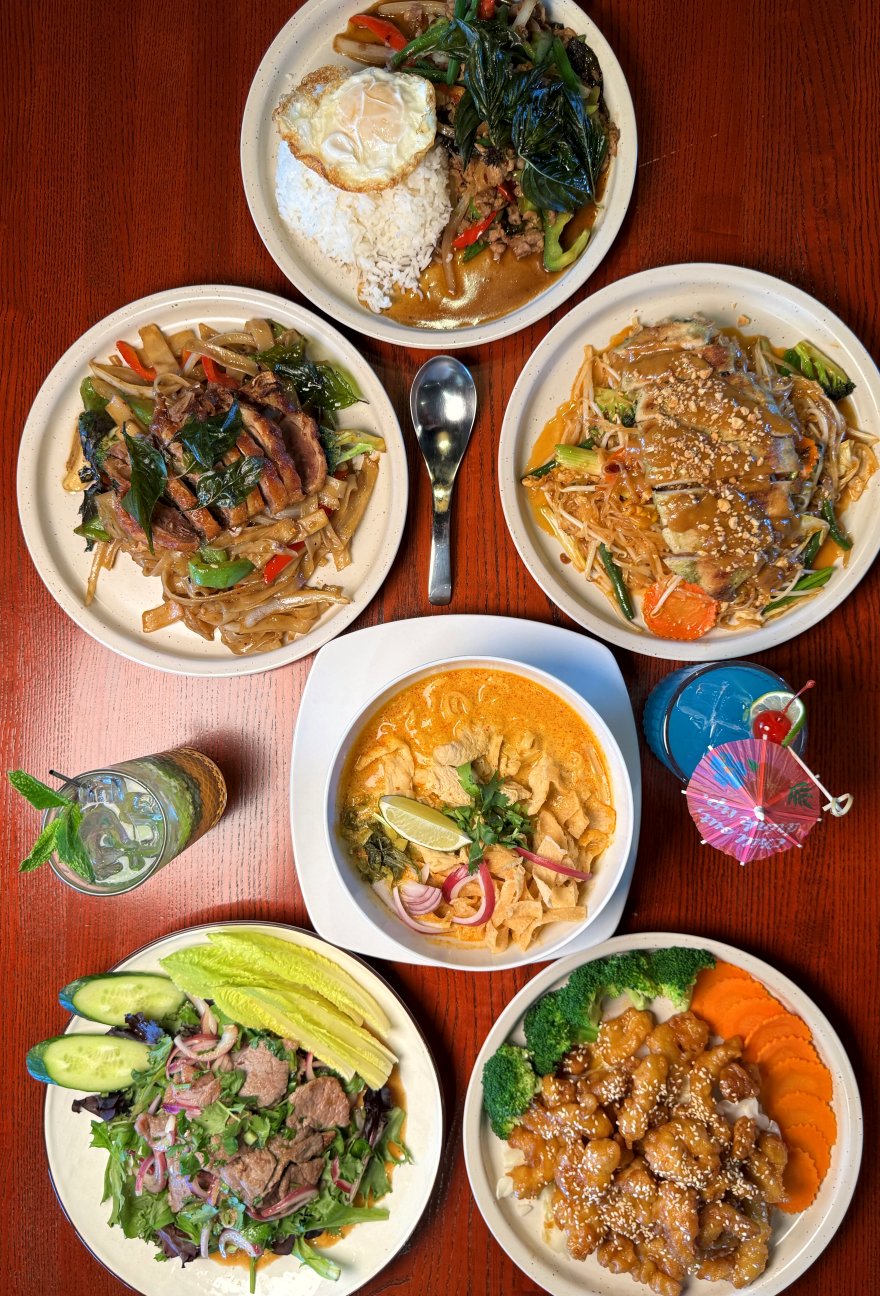
Few Thai dishes hit the table with as much swagger as drunken noodles. Wide rice noodles, hot wok, basil, chile, garlic, soy, a little sweetness, a little smoke, and just enough sauce to cling without turning soupy. It is easy to see why a late-night craving sends people searching for Drunken Noodles Near Me. The problem is that restaurant versions can swing wildly, from bright and balanced to heavy, oily, and sodium packed.
That does not mean you need to give up the dish if you are trying to eat better. In my experience, drunken noodles can be one of the easiest Thai takeout orders to improve, because the dish is built from parts a cook can adjust without ruining its character. The noodles stay. The basil stays. The heat stays. What changes are the portions, the protein, the vegetables, and the sauce ratio.
A good Drunken Noodle should taste alive. The basil should read fresh, the chiles sharp, the vegetables still have some bite, and the noodles carry seasoning instead of drowning in it. Healthier ordering starts with understanding what makes the dish satisfying in the first place. Once you know that, you can trim the excess and still end up with something worth eating.
What makes drunken noodles rich in the first place
At its core, drunken noodles are not automatically unhealthy. Rice noodles are gluten free by nature, though that alone does not make them light. They are still a concentrated carbohydrate. The bigger issue is usually what happens in the wok. Restaurant kitchens often use more oil than home cooks expect, partly because high heat requires speed and lubrication, and partly because glossy noodles sell. Sauce can also pile on sodium and sugar faster than most diners realize.
Portion size matters just as much. Many takeout boxes hold enough for one large meal and part of another, but when food arrives hot and fragrant, people often finish the whole container. That is where a pretty reasonable dish turns into a heavy one. A standard restaurant serving can include a generous bed of noodles, several tablespoons of oil and sauce, and protein portions that vary from modest to oversized depending on the kitchen.
The dish can still fit well into a balanced diet when a few variables are handled well. Lean protein helps. More vegetables help. A lighter hand with oil and sauce helps most of all. This is not about ordering a sad, stripped-down plate. It is about shifting the ratio so the noodles support the meal instead of dominating it.
The healthiest way to think about your order
When people search for healthier Thai food, they often focus on the wrong question. They ask whether noodles are bad. A better question is whether the full plate is balanced. A satisfying order usually has four moving parts: carbohydrates from the noodles, protein, vegetables, and the sauce fat and sodium load. When all four are in proportion, the meal feels generous rather than restrictive.
I usually encourage people to think in terms of trade-offs instead of strict rules. If you want the full noodle portion, ask for extra vegetables and a leaner protein. If you want a richer protein like beef, consider sharing the dish or planning for leftovers. If your local place makes an especially salty version, balance the meal with water and skip the appetizer that night. Real eating is rarely perfect, but smart adjustments add up.
One detail gets overlooked often: spice can actually help a healthier version feel more satisfying. Heat, basil, garlic, and char deliver intensity without relying on extra sugar or oil. A well-seasoned wok dish can taste fuller than it really is. That is why a cook who understands restraint can make a lighter drunken noodle taste better than a greasy one.
How to spot a healthier version on the menu
Some restaurants practically tell you whether they can make a good lighter plate. If the menu offers protein choices, spice levels, or vegetable add-ons, that is a good sign. Flexibility usually means the kitchen is used to special requests and does not see them as a nuisance. If the menu has a dedicated “healthy” section, read it with caution. Sometimes it means steamed and bland. Sometimes it means genuinely thoughtful cooking. The better clue is whether the restaurant already builds dishes to order.
Descriptions matter too. If a menu leans on words like spicy basil, fresh vegetables, and wok-fried, I am more optimistic than when every noodle dish reads as sweet, savory, and covered in house sauce. You want signs that herbs and aromatics are part of the identity, not just sugar and sodium.
Online photos can help, but only a little. A healthy-looking plate should show visible basil, onion, peppers, broccoli or similar vegetables, and noodles that look coated rather than submerged. Excessive shine often means a lot of oil. Pooled sauce at the bottom of the container is another sign that the kitchen is using volume rather than technique.
The best protein choices, and when each one works
Protein is where healthy ordering becomes practical. Chicken is often the easiest win. It is widely available, familiar to kitchens, and tends to absorb flavor well without adding too much fat. Shrimp is another strong option if you enjoy it and the restaurant cooks it properly. It is lean, cooks quickly, and pairs naturally with chile and basil. Tofu can be excellent, but it depends on how the kitchen handles it. Some places pan-fry it until crisp, which adds oil, while others keep it light and let the sauce do the work.
Beef is not off-limits, but it is usually richer and can push the dish into heavier territory, especially if the kitchen uses a sweeter sauce to match it. Pork varies. Lean pork can work, but fattier cuts turn the whole plate heavier fast. Duck, if offered, is delicious but almost never the healthiest route for this specific dish.
A useful trick is to ask whether the kitchen can go slightly lighter on the protein portion if you want more vegetables instead. Not every restaurant will do it, but many will. This works particularly well if you order from the same place regularly and know they are accommodating. A little familiarity with the restaurant goes a long way.
Vegetables are not filler here
In a good drunken noodle, vegetables are structural. They bring crunch, moisture, sweetness, and contrast. They also help slow you down. Biting through broccoli, bell pepper, baby corn, green beans, carrot, or onion changes the pace of the meal in a way a mound of soft noodles does not. That makes the plate feel more substantial.
When I order from a place that tends to go heavy on noodles, I ask for extra vegetables and frame it simply. “Can you add extra vegetables and go a little lighter on the noodles if possible?” That wording usually lands better than trying to micromanage the recipe. Most restaurants can work with that. If they charge a little extra, it is often worth it. You end up with better texture and a more balanced container.
Thai basil deserves special attention. It is not a garnish in this dish. It is one of the main reasons drunken noodles taste distinct. A kitchen that uses basil generously often needs less sauce to make the plate vivid. That freshness counts.
The sauce question, where healthy choices are won or lost
Sauce is the hardest part to judge from a menu and the easiest part to improve with a polite request. Traditional variations may include soy sauce, dark soy, oyster sauce, fish sauce, and a touch of sugar. None of that is automatically problematic. The issue comes when the cook uses enough sauce to make up for low heat, poor wok timing, or lack of fresh aromatics.
A “light sauce” request can work, but phrasing matters. If you ask for “less sauce,” some kitchens may hear “less flavor.” I have had better results asking for “light sauce, still spicy, with plenty of basil.” That signals https://medium.com/@nakhonluangthaikitchen/about what you want preserved. Another useful request is “not too oily.” It sounds basic, but many cooks understand exactly what you mean.
Sodium is worth watching if you eat takeout frequently, have blood pressure concerns, or are ordering dinner after a day of salty meals. Thai restaurant food can be sodium dense even when it tastes balanced. If you know that applies to you, lighten the surrounding meal rather than expecting a restaurant to reengineer its pantry. Skip the salty appetizer, choose water instead of a sweet drink, and let part of the noodle order become lunch the next day.
Smart customizations that usually work
The most successful customizations are specific enough to help but not so detailed that they disrupt service. Most kitchens can accommodate one or two adjustments easily, especially on noodle dishes made to order in a wok. These tend to be the requests that deliver the best health payoff without ruining the dish:
- extra vegetables
- light sauce
- less oil if possible
- chicken, shrimp, or tofu instead of a richer protein
- slightly fewer noodles if the restaurant is willing
That is really the sweet spot. Beyond that, the dish can lose what makes it itself. Ask for no sauce, no oil, and no spice, and you are no longer ordering drunken noodles in any meaningful sense.
What to ask when you call or order online
There is a practical art to ordering well. A lot of people either say nothing or write a long note that reads like a negotiation. The middle path works best. Be direct, courteous, and realistic. If the restaurant is busy on a Friday night, keep it simple.
For online ordering, I prefer one clean note rather than multiple instructions in all caps. Something like, “Please make with extra vegetables, light sauce, and less oil if possible” is usually enough. If you are choosing spice level, medium or medium-hot often delivers flavor without making the meal a dare. Very high spice can be great, but it can also mask balance and make you eat faster.
When calling, ask one question that gives you useful information: “Can you make the drunken noodles a little lighter, with extra vegetables?” Their answer tells you a lot. If they respond quickly and confidently, you are probably in good hands. If they sound confused, keep your expectations modest.
Delivery, dine-in, and the healthy difference
The same dish can feel very different depending on how you eat it. Dine-in drunken noodles often have the best texture because they come straight from the wok. The basil stays aromatic, the vegetables stay crisper, and the noodles do not steam in a closed box. That alone can make a lighter version more satisfying, because texture carries more of the pleasure.
Delivery introduces a few problems. Steam softens vegetables, noodles continue to absorb sauce, and the whole dish settles. A restaurant that seemed moderate in person can feel heavier by the time it reaches your kitchen. If you order delivery often, this is one reason to ask for lighter sauce. The food will continue to mellow in transit.
Takeout portions also encourage overeating because the meal arrives in one large container. I often suggest plating half first, especially if the serving looks oversized. It is a small behavioral trick, but it works. Once the food is on a plate, you can actually see proportions. Eating straight from the carton makes it harder to notice how much you have had.
Side dishes can either help or sabotage the meal
This is where many healthy intentions fall apart. A reasonable noodle order gets paired with fried appetizers, sugary drinks, or an extra rice dish, and suddenly the balance is gone. If drunken noodles are the main event, let them be the main event.
A crisp side salad can work if the restaurant offers one that is not drenched in sweet dressing. Clear broth soups can also pair well if they are not too salty. What usually does not help is stacking fried starters on top of a rich noodle entrée. Delicious, yes. Light, no.
If you are ordering for a group, this becomes easier. Share one indulgent starter across several people and keep your own main dish thoughtful. That approach feels normal, not restrictive. The best healthy eating strategies are often the ones that do not announce themselves.
How to tell if your local spot cooks with care
After enough Thai meals, certain signs stand out. A careful kitchen gets color on the vegetables without turning them limp. The noodles hold together but do not clump. The sauce tastes integrated, not poured on. Basil remains fragrant. Heat feels layered, not just bluntly spicy.
Those details matter because they often predict whether the restaurant can execute a lighter dish well. Good technique reduces the need for excess oil and sugar. High heat and timing do a lot of the heavy lifting. If a place already cooks with balance, your healthier customization usually comes back tasting like a real meal instead of a compromise.
It is worth keeping notes on the restaurants near you. One shop might nail tofu but oversauce the noodles. Another might do great shrimp and vegetables but make every dish too sweet. Once you know each kitchen’s tendencies, you can order with much more precision. That is the difference between hoping for healthy takeout and reliably getting it.
A few realistic meal combinations
People often want practical examples, not theory. Here are combinations that tend to work well in real life when you are searching for Drunken Noodles Near Me and want something healthier without losing the point of the dish:
- chicken drunken noodles with extra vegetables and light sauce
- shrimp drunken noodles, medium spice, with half saved for lunch
- tofu drunken noodles with added broccoli or bell pepper
- beef drunken noodles shared with a side of vegetables for balance
- a dine-in order with less oil, where texture stays at its best
Notice what is not on that list: extreme substitutions, joyless portioning, or trying to turn the dish into salad. Healthy ordering works better when it respects what the dish is supposed to be.
For people tracking calories, sodium, or macros
Restaurants rarely publish exact nutrition for independent Thai dishes, so precision is difficult. You can still make useful estimates. A full takeout serving of drunken noodles is often substantial enough that many people do well treating it as two meals, especially if the container is tightly packed with noodles. Lean protein and extra vegetables improve the ratio without requiring exact numbers.
Calories usually climb through oil, noodle volume, and richer proteins. Sodium mostly rides in the sauce. If you are specifically macro-conscious, focus less on perfection and more on consistency. The same order from the same restaurant will usually land in a similar range each time. Once you find a place that makes a version you enjoy and digest well, repeating that order is often smarter than constantly experimenting.
One caution on “healthy” assumptions: tofu is not automatically lower calorie if it is deeply fried first, and shrimp is not automatically better if the sauce is doubled. Context matters more than labels.
The home stretch, what actually makes a healthier drunken noodle satisfying
The healthiest version is not the one with the fewest ingredients. It is the one you finish feeling energized instead of weighed down. That usually means enough noodles to satisfy, enough protein to steady the meal, enough vegetables to bring bulk and texture, and enough sauce to season rather than soak.
When you find a restaurant that gets that balance right, hold onto it. Good Thai cooking has room for pleasure and discipline at the same time. The dish should still smell of basil and wok heat when you open the box. The first bite should still have spice, chew, and sweetness in tension. The plate should still feel like comfort food. Just cleaner, brighter, and easier to fit into the rest of your week.
So the next time you type Drunken Noodles Near Me into your phone, do not settle for the heaviest option by default. A better version is often one polite request away. Ask for extra vegetables, choose your protein carefully, keep the sauce in check, and let the kitchen do what it does best. With the right restaurant, a healthier Drunken Noodle does not feel like a compromise at all.
Nakhon Luang Thai Kitchen
Address: 805 Village Center Dr, Colorado Springs, CO 80919
Phone number: +17195315175
FAQ About Drunken Noodles Near Me
What makes it drunken noodles?
Drunken noodles, or Pad Kee Mao, get their name from the Thai word khi mao (meaning "drunkard"). They contain no alcohol. The name comes from the idea that the dish is a popular late-night meal to cure a hangover or a great food to eat with a cold beer.
What is the difference between pad see ew and drunken noodles?
While both Pad See Ew and Drunken Noodles use the same wide rice noodles, Pad See Ew is a mild, sweet-savory dish made with dark soy sauce and Chinese broccoli, whereas Drunken Noodles (Pad Kee Mao) are fiery, garlicky, and herbaceous with fresh chilies and Thai basil.
What are traditional drunken noodles?
Traditional drunken noodles, known as Pad Kee Mao in Thai, are a fiery, savory street food stir-fry made with wide flat rice noodles, fresh garlic, lots of hot chilies, meat or tofu, and fragrant holy basil. Despite the name, they contain no alcohol; the dish is traditionally eaten late at night or as a hangover cure because the intense spice helps clear the head.